Inverters in Renewable Energy Systems
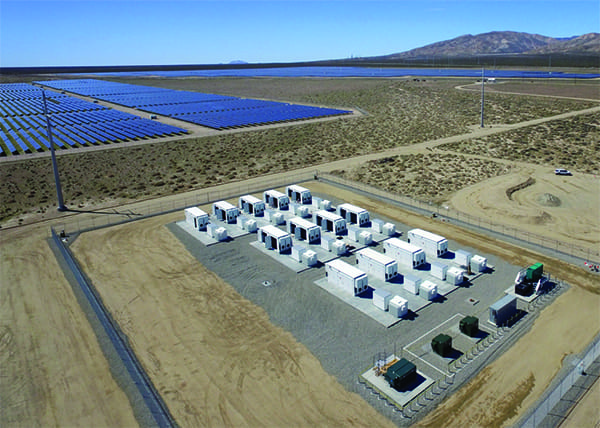
- [A 25-MVA/10-MWh Battery Energy Storage Sytems, Beacon Solar Plant Site, LADWP]
- Overview
Inverters in renewable energy systems act as the bridge between variable power sources and usable electricity. They convert the Direct Current (DC) generated by solar panels or wind turbines into Alternating Current (AC), which is required for household appliances and the electrical grid.
1. Core Roles and Functions:
- DC to AC Conversion: The primary function, which switches a DC input back and forth rapidly to create a clean sine wave compatible with standard equipment.
- Grid Synchronization: Grid-tied inverters match the grid's voltage and frequency, ensuring safe integration and preventing unsafe "island" power issues.
- Maximum Power Point Tracking (MPPT): Constantly adjusting the electrical load to extract the maximum possible power from the renewable source as weather conditions change.
2. Key Differences: Solar vs. Wind:
- Solar Inverters: Process the variable DC produced directly by Solar Panels. They use technologies like central string inverters or panel-level microinverters.
- Wind Inverters: Because wind turbines generate alternating power that fluctuates in frequency and voltage, wind inverters first convert this "wild AC" to DC, and then back to stable AC through an internal rectifier.
Please refer to the following for more information:
- Wikipedia: Solar Inverter
- Wikipedia: Home Solar and Wind Power Systems
- The Vital Role of Inverters
An inverter is a critical component in renewable energy systems, responsible for converting the direct current (DC) electricity generated by solar panels and wind turbines into usable, alternating current (AC) electricity required by the electrical grid and standard appliances.
Inverters do much more than just convert power; they are the core "brain" of renewable energy systems. Their specific functions include:
- Power Conversion: They rapidly switch the direction of the DC input to create a safe, alternating AC output.
- System Optimization: Modern inverters feature Maximum Power Point Tracking (MPPT) algorithms, ensuring panels continuously output their maximum possible energy yield regardless of weather conditions or shading.
- Grid Synchronization & Safety: They match the voltage and frequency of the utility grid, enabling safe two-way energy flow (net metering).
- Energy Storage Management: Advanced inverters integrate directly with battery systems, allowing homes to store surplus renewable energy for use at night or during blackouts.
- Types of Inverters
There are several types of inverters, each designed to meet specific requirements and applications in renewable energy systems.
Solar inverters convert direct current (DC) electricity generated by solar arrays into usable alternating current (AC) for homes and electrical grids.
The four primary types - String Inverters, Microinverters, Central Inverters, and Hybrid Inverters - are tailored for specific system sizes, budgets, and energy independence goals.
Core Inverter Types:
1. String Inverters:
- How it works: Multiple solar panels are connected in a series (a "string") that feeds into one central inverter box.
- Best for: Cost-effective, unshaded residential or commercial installations.
- Limitations: If one panel is shaded or malfunctions, it reduces the output of the entire string.
2. Microinverters:
- How it works: Tiny individual inverters are attached to the back of each solar panel, converting DC to AC independently on the roof.
- Best for: Roofs with complex angles or partial shading issues, as a shaded panel won't affect the rest of the array.
- Limitations: Higher initial hardware and installation costs.
3. Central Inverters:
- How it works: Similar in concept to string inverters but scaled up to handle massive volumes of electricity from multiple large arrays.
- Best for: Utility-scale solar farms, commercial buildings, and industrial applications.
- Limitations: Presents a single point of failure; if the central unit goes down, power production stops completely.
4. Hybrid Inverters:
- How it works: A single multifunctional unit that converts solar energy while also acting as a battery charger.
- Best for: Homes and businesses wanting to store solar energy for backup power or grid independence.
- Limitations: Generally more expensive than standard string inverters.
- Benefits of Using Inverters
Inverters are the critical link in renewable energy systems, serving as the bridge that converts direct current (DC) from sources like solar panels and wind turbines into usable, grid-compatible alternating current (AC). They ensure the power is safe, efficient, and readily usable.
Here is an in-depth breakdown of how inverters optimize renewable energy:
1. Efficiency Improvement:
- Optimized Conversion: By utilizing advanced Maximum Power Point Tracking (MPPT), inverters rapidly adjust to fluctuating sunlight or weather conditions to extract maximum usable power.
- Reduced Losses: Modern high-frequency transformerless inverters minimize energy losses, directing more usable energy to the household.
- Panel-Level Optimization: Technologies like Microinverters and power optimizers ensure sluggish performance from shaded panels doesn't slow down the entire system.
2. Grid Integration:
- Seamless Compatibility: Inverters shape DC input into standard AC waveforms required by home appliances and the electrical grid.
- Active Grid Support: Smart inverters can provide and absorb reactive power, which helps the local electrical grid balance voltage and frequency, preventing surges or blackouts.
- Safety & Compliance: They feature built-in grid interoperability (such as anti-islanding protection) to immediately disconnect the system during outages, keeping utility workers safe.
3. System Flexibility:
- Diverse Topologies: Whether you have a small residential array or a massive commercial wind farm, there is a specialized inverter to match.
- Energy Storage Capability: Hybrid inverters combine DC-to-AC conversion with intelligent battery management, allowing users to store excess energy for outages or peak demand hours.
- Modular Expansion: Advanced setups allow homeowners to stack inverters and microcontrollers to easily integrate electric vehicle (EV) chargers, backup batteries, and heat pumps over time.
4. Enhanced Energy Management:
- Remote Monitoring: Systems connected to Smart Home Energy Control Bundles give users real-time insights into energy production and daily consumption.
- Demand Response: Smart inverters communicate directly with your Smart Grid and Meters to optimize when energy is sold back to the utility or shifted to household appliances, maximizing your cost savings.
[More to come ...]
