
Automatic Identification Systems
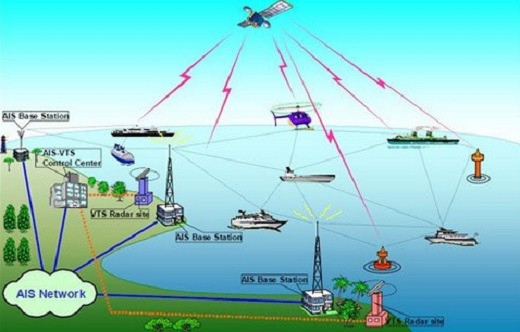
- [Automatic Identification System - NATO]
- Overview
An Automatic Identification System (AIS) is a real-time, shipboard tracking and communication system using VHF radio to broadcast vessel data like location, speed, and identity, enhancing collision avoidance and maritime awareness for ships and coastal authorities, with Class A for large vessels and Class B for smaller craft, and is part of broader Automatic Identification Technologies (AIT) like barcodes and RFID.
1. How AIS Works:
- VHF Transponder: Ships broadcast data via VHF radio.
- Data Transmitted: Includes vessel name, position (from GPS), course, speed, and destination.
- SOTDMA: Uses Self-Organizing Time Division Multiple Access (SOTDMA) to handle high data rates and avoid collisions.
- Receivers: Other vessels and shore stations (like the U.S. Coast Guard) receive this data, displaying it on screens alongside radar.
2. Types of AIS:
- Class A: Mandatory for large commercial ships (over 300 gross tons international voyages) and passenger ships, offering full functionality.
- Class B: Lower-cost, less powerful, for non-SOLAS (Safety of Life at Sea) vessels like recreational boats, with limited transmission.
3. Key Uses & Benefits:
- Collision Avoidance: Shows other vessels' positions, speeds, and CPA (Closest Point of Approach) alerts, shrinking radar blind spots.
- Search & Rescue: Helps locate vessels in distress.
- Traffic Management: Supports Vessel Traffic Services (VTS) and coastal management.
4. Broader Context (Automatic Identification Technology - AIT)
- AIS is a specific maritime application of Automatic Identification Technology (AIT).
- Other AIT examples include bar codes, RFID (Radio-Frequency Identification), biometrics, and OCR (Optical Character Recognition) used in logistics and manufacturing.
[More to come ...]
