
Smart Grid Technology and Applications
- [This Beijing dispatch center controls most of China’s ultrahigh-voltage lines and monitors renewable energy use - State Grid Corp. of China]
- Overview
Smart grid technology integrates IoT sensors, advanced communications, and AI-driven analytics to modernize electricity grids into two-way, interactive systems.
Key applications include real-time monitoring, automated self-healing, renewable energy integration (solar/wind), and demand-response management.
These technologies enhance energy efficiency, improve reliability, and enable decentralized power generation.
1. Key Smart Grid Technologies:
- Advanced Metering Infrastructure (AMI): Smart meters provide real-time, two-way communication between consumers and utilities.
- Internet of Things (IoT) Sensors: Wireless devices and smart sensors installed throughout the grid, including on transformers and substations, monitor performance.
- Artificial Intelligence (AI) & Machine Learning: These technologies act as the "brain," processing data to predict demand, detect faults, and optimize energy distribution.
- Distribution Automation: Automated, self-healing networks can isolate faults and reroute power within seconds to minimize outages.
- Energy Storage Systems (ESS): Integration with battery storage helps balance supply and demand, especially for intermittent renewable sources.
2. Primary Smart Grid Applications:
- Demand Response: Utilities can manage consumption by offering incentives for users to reduce power during peak times.
- Renewable Energy Integration: Smart grids facilitate the connection of distributed energy resources (DERs) like solar panels and wind turbines.
- Electric Vehicle (EV) Charging Management: Smart grids control EV charging to prevent overloading the grid and to charge during low-demand periods.
- Smart City Infrastructure: Efficient management of power and other resources like water, promoting sustainability.
- Predictive Maintenance: Using AI to analyze sensor data allows for fixing infrastructure before it fails.
3. Benefits:
- Reduced Outages: Faster detection and automated repair of failures.
- Increased Efficiency: Reduced energy waste and optimized power delivery.
- Lower Costs: Reduced operational costs for utilities and lower bills for consumers.
- Sustainability: Easier integration of clean energy sources.
- The Key Components and Technologies of a Smart Grid
A smart grid is a modernized, digitized electricity network utilizing two-way communication, sensors, and automation to enhance efficiency, reliability, and sustainability.
First defined in the Energy Independence and Security Act of 2007, it replaces 20th-century infrastructure by integrating technologies like smart meters, AI/big data, and 5G to manage real-time energy demands.
The smart grid enables a more interactive, decentralized, and resilient energy system.
Key components and technologies that enable this transformation include:
- Intelligent Monitoring: Power/current sensors and, on the consumer side, smart meters that provide real-time data on consumption.
- Control Systems: Advanced control systems and automation that optimize performance and respond to grid disturbances.
- Digital Infrastructure: Data centers and edge computing to process the high volume of information (Big Data) generated by the system.
- Communication Networks: 5G and other wide-area wireless technologies that enable two-way communication between utilities and consumers.
- Integration: Technologies that facilitate the integration of renewable energy sources and distributed energy resources (DERs).
- Smart Grid Applications in Power Systems
Smart grid applications in power systems leverage two-way communication, IoT sensors, and AI to enhance efficiency, reliability, and sustainability.
Key applications include real-time monitoring, automatic fault detection, integration of renewable energy sources, electric vehicle (EV) charging management, and demand-side management through smart meters.
These technologies allow for dynamic load balancing, reduced transmission losses, and improved grid resilience.
1. Key Smart Grid Application Areas:
- Advanced Metering Infrastructure (AMI): Smart meters provide real-time, two-way data transmission, enabling remote meter reading, time-based pricing, and immediate outage alerts.
- Distributed Energy Resource Management Systems (DERMS): These systems manage, monitor, and control distributed generation (e.g., solar, wind) to balance supply with demand in real-time, ensuring grid stability.
- Distribution Automation and Control: Automated, self-healing networks use intelligent sensors to isolate faults and reroute power, significantly reducing downtime and improving grid resilience.
- Electric Vehicle (EV) Integration: Smart grids facilitate EV adoption by controlling charging loads, reducing grid strain, and utilizing vehicle-to-grid (V2G) technology for balancing.
- Asset Management and Predictive Maintenance: AI analytics and IoT sensors monitor equipment health, allowing utilities to predict failures before they occur, thus optimizing maintenance schedules and extending asset life.
- Energy Storage Systems: Smart grids integrate battery storage and supercapacitors to manage peak shaving, valley filling, and intermittent renewable output.
2. Benefits in Power Systems:
- Increased Efficiency: Minimized transmission and distribution losses through optimized power flow.
- Enhanced Reliability: Faster, often automatic, response to outages and network disturbances.
- Improved Sustainability: Enhanced capability to integrate cleaner, decentralized renewable energy sources.
- Consumer Empowerment: Real-time data allows users to manage consumption and reduce costs.
- The Major Components of A Smart Grid
It is important to ensure that a smart grid is a secure smart grid that includes many technologies that improve real-time situational awareness and support renewable energy and system automation to improve reliability, efficiency capabilities, and grid security.
Utilities are using many secure communication solutions to support the latest smart grid applications, including advanced metering infrastructure, distribution automation, voltage optimization and substation automation.
The 10 components encompass all elements of the power system, including loads, distribution, transmission, and generation, and are related to the use of renewable energy, demand-side management, energy storage, peak shaving, and power conditioning.
The system is considered intelligent because the communication technology enables self-healing through sensing capabilities with heavy monitoring, as well as various computer controls that, when combined, provide an automatic system for changes in load, generation and equipment Response, whenever the reason for stopping the service.
- The Benefits of an Electric Grid
An electrical grid is an interconnected system that instantly balances power supply and demand, reliably delivering electricity from diverse, often remote, generation sources to consumers via transmission and distribution networks.
By aggregating variable individual loads, it improves efficiency and allows generators to share loads, strengthening overall grid stability and reducing costs.
The benefits and characteristics of an electric grid include:
- Real-time Balancing: It maintains a constant, instantaneous balance between generation and load to prevent system failures, as large-scale electricity storage is limited.
- Reliability through Interconnection: It allows multiple generators to back each other up and share load, enhancing reliability compared to isolated systems.
- Optimal Resource Siting: The grid enables power plants, including utility-scale solar and wind, to be located close to resources (fuel, water, land) rather than just near demand centers.
- Load Consolidation: By aggregating variable individual loads into a predictable regional load, it improves management and operational efficiency.
- Infrastructure Synergy: It utilizes a vast network of transmission and distribution lines to efficiently move power over long distances.
- What Makes a Grid “Smart?”
A smart grid is defined by the integration of advanced digital technology, automation, and two-way communication with the traditional electrical infrastructure.
It transforms the grid into an intelligent network that connects power generation to consumers, enabling real-time monitoring, increased efficiency, improved reliability, and the seamless integration of renewable energy sources.
By focusing on these digital upgrades, the grid moves beyond simple, physical electricity transmission to an intelligent, automated, and interactive system.
Key elements that make a grid "smart" include:
- Two-Way Communication: Unlike traditional, one-way power distribution, smart grids allow utilities and consumers to communicate in real time, which is essential for managing demand and integrating distributed energy resources (DERs).
- Digital Technology & Automation: The use of smart meters, sensors along transmission lines, and automation controls allows for the rapid detection of issues and automated responses to changing power needs.
- Information Technology (IT) Integration: The core of the "smart" functionality lies in the informatics, using data to enhance the efficiency, reliability, and resilience of the power network.
- Real-Time Demand Response: Digital technologies enable the grid to match power supply with demand in real time, reducing the need for peak power plants and increasing overall system stability.
- Renewable Energy Integration: Smart grids are designed to handle the variable nature of renewable energy (solar, wind) and support decentralized, or distributed, generation.
- (Smart Grid Communications, NIST)
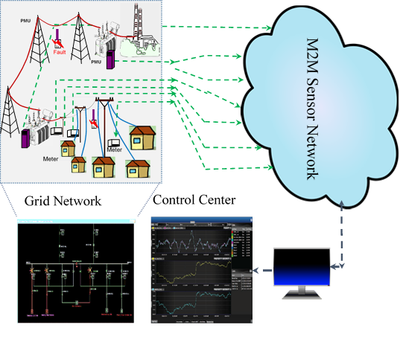
- The Smart Grid is Evolving
The modernization of the electrical grid into a "smart grid" is a gradual, decade-long evolution, transforming a static, one-way system into a dynamic, two-way, intelligent network.
This evolution involves integrating millions of components - including smart meters, sensors, and automated controls - designed to optimize energy distribution and enhance reliability, similar to the transformative impact of the internet.
Key Aspects of the Evolving Smart Grid:
1. Gradual Evolution: The transformation is not happening all at once; it involves upgrading aging infrastructure over the next decade with new technologies, which must be installed, tested, and matured before going fully live.
2. Two-Way Flow of Information & Electricity: Unlike traditional grids, smart grids allow digital, real-time, two-way communication between utility companies and consumers, as well as enabling distributed energy resources (like rooftop solar) to feed back into the grid.
3. Components and Technology: The grid includes advanced sensors (Phasor Measurement Units), smart meters, automated substation equipment, and software that uses AI to analyze data and predict demand, as well as to detect and isolate faults autonomously.
4. Key Benefits & Goals:
- Improved Reliability: Enhanced monitoring reduces power outages and allows for faster restoration.
- Efficiency: The grid optimizes energy use, reduces operational costs, and minimizes transmission losses.
- Sustainability: It enables greater integration of renewable energy sources, such as wind and solar.
- Consumer Engagement: Customers can access real-time energy usage data, allowing them to manage costs and participate in demand-response programs.
5. Digital Transformation: Once fully mature, the smart grid is expected to revolutionize how energy is produced, distributed, and consumed, much like the internet transformed daily life, work, and communication.
- What Does A Smart Grid Do?
A smart grid is an electricity network that uses digital technologies to match supply and demand in real time. Smart grids use sensors, software, and other digital technologies to:
- Maintain grid reliability and stability
- Minimize costs
- Sense and respond to change
- Keep the grid operational while supplying power
- Integrate the actions of all users connected to it
- Ensure a sustainable power system
Smart grids can:
- Reduce operating costs for utilities by deferring electricity usage away from peak hours
- Have appliances and devices run at other times
- More evenly distribute electricity production throughout the day
- Be more energy efficient
- Lower the cost for consumers
- Reduce greenhouse gas emissions
- Benefits Associated with the Smart Grids
Smart grids represent an unprecedented opportunity to bring the energy industry into a new era of reliability, availability and efficiency that will contribute to our economic and environmental health. During the transition, testing, technology improvements, consumer education, standards and regulation development, and information sharing between projects are critical to ensure our vision of the smart grid becomes a reality.
Benefits associated with the smart grid include:
- More efficient power transmission
- Faster power recovery after power disruption
- Lower operating and administrative costs for utilities and ultimately lower electricity costs for consumers
- Reduce peak demand, which will also help lower electricity bills
- Increased integration of large-scale renewable energy systems
- Better integration of customer-owned power generation systems, including renewable energy systems
- Improve security
- Wireless 5G and Smart Grid
5G can improve smart grid technologies by supporting increased connectivity and automation. 5G's ultra-low latency and high reliability are instrumental in the development and realization of smart grids. 5G can also:
- Improve energy management: 5G can enable more efficient energy management and enhanced distribution.
- Support many devices and sensors: 5G can support many devices and sensors simultaneously, collecting and analyzing data on various aspects of urban operations.
- Improve predictive maintenance: 5G can be used for predictive maintenance of different components of power-grid like electrical isolators, transmission lines along electricity grids, LNG/GAS storages.
- Improve emergency situations: 5G can be used for proactive recovery in emergency situations or surveillance during natural calamity.
- Improve real-time video surveillance: 5G can be used for real-time video surveillance.
- Improve V2G charging stations: 5G can help the power system to accommodate distributed renewable energy through V2G charging stations.
- Smart Grids and Wireless sensor Networks
WSNs are a key technology for smart grids, which are advanced electric power grids that use communication and information technologies.
WSNs are a cost-effective way to monitor, control, measure, and diagnose faults in smart grids. They can also improve the energy efficiency, reliability, and cost-effectiveness of smart grid management.
WSNs allow customers and utilities to effectively and cost-effectively transfer, monitor, predict, and manage energy usage. WSNs can also improve various aspects of electric power systems, including generation, delivery, and utilization.
A sensor node in a WSN typically contains the following: Sensors, Memory, Processor, Power supply, Transceiver, Actuator.
One of the most common sensor network topologies is the star network topology. In this topology, sensor nodes are connected directly to a centralized communication hub, switch, or sink, which is called the central node.
Some sensors used in smart grids include: Temperature sensors, Pressure sensors, Humidity sensors, Weather stations, Current sensors, Voltage sensors.
[More to come ...]
